

Why Your Best Night's Sleep Might Start in the Sauna
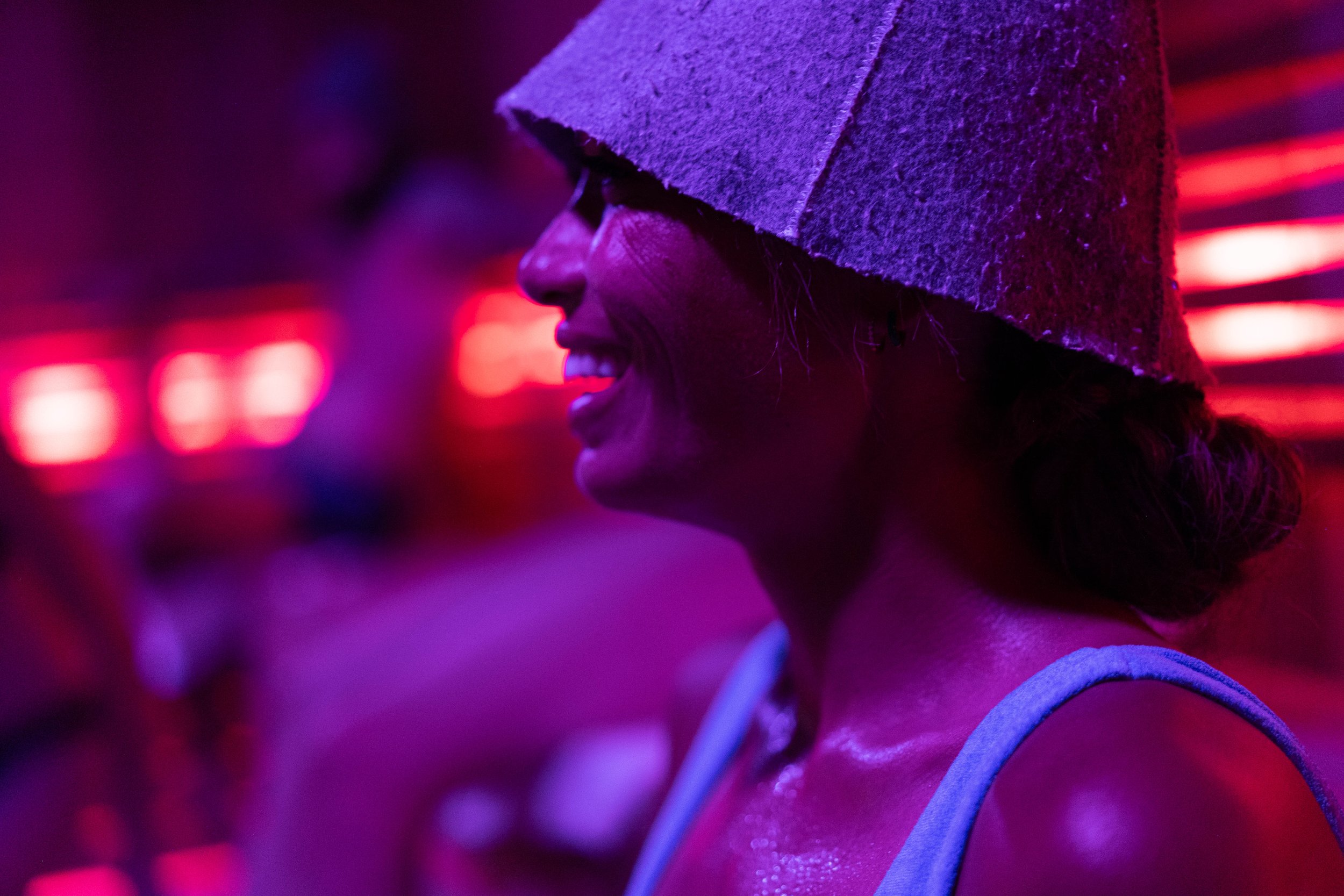
The science behind contrast therapy and deeper, more restorative sleep
If you've ever left a Rytual session and slept harder than you have in weeks, that wasn't luck. The same heat-and-cold cycle that eases sore muscles and clears your head is one of the most reliable, lowest-effort ways to improve your sleep. Here's what's happening in your body — and how to time your next session to get the most out of it.
Heat Up, Cool Down
Heat widens your blood vessels. Cold clamps them down. Cycling between the two turns your circulatory system into a pump — moving blood, flushing metabolic waste, and shifting your nervous system into parasympathetic "rest and digest" mode. That shift is the foundation everything else builds on.
The Melatonin Trigger
Your body cools before sleep. That drop in core temperature is one of the primary signals telling your brain to release melatonin.
Contrast therapy exaggerates it. Raise your core temperature in the sauna, let it fall afterward, and you've engineered a steeper temperature drop than your body produces on its own. Your brain reads that steeper drop as a louder cue for sleep. Melatonin comes on faster and stronger on nights you've done a session.
More Time in Deep Sleep
The strongest evidence lands on slow-wave (delta) sleep — the deepest, most physically restorative stage:
A classic Finnish study found sauna bathing increased slow-wave sleep by more than 70% in the first two hours of the night.
Oura Ring's analysis of 75,000+ member-logged sauna sessions found nearly 15% more deep sleep on sauna nights than nights without.
Research on adults with insomnia found that raising body temperature about 1°C in the hour or two before bed helped people fall asleep roughly 36% faster and log more deep sleep overall.
Calming an Overactive Nervous System
Cold works in two acts. During the plunge, your sympathetic system fires — heart rate up, stress hormones spiking. Then comes the rebound: vagal tone and parasympathetic activity swing well past your resting baseline. Heart rate variability improves. Cortisol drops below where it started. The calm lasts for hours.
Heat is more direct — it lowers cortisol and releases muscle tension without the sympathetic spike first.
A Full Hormonal Reset
One session moves several levers at once. Cold triggers a sharp rise in norepinephrine and can boost dopamine 200–300% from a single short plunge, with elevated levels lasting hours — why a cold plunge feels mood-lifting, not just bracing. Cold also raises beta-endorphins, your body's own painkillers. Heat raises serotonin and lets cortisol fall well below baseline in the hours after.
The net effect: stimulating in the short term, calming in the long tail. Exactly the profile you want for daytime mood and nighttime wind-down. The thing to watch is not extending exposure in the cold, only using it in short bursts to extend the time you can be in the sauna. And then ending on heat.
The Signal Is Heat. The Environment Does the Rest.
The temperature drop is the physiological trigger — that part works anywhere there's a sauna. What determines how deep the wind-down goes is everything surrounding it.
Every detail at Rytual was crafted to reflect a regulated nervous system back at you. The dim, hypnotic lighting tells your brain the day is ending. The intimate group setting replaces the isolation of solo recovery with the co-regulation humans are wired for. Your guide sets the tone and pace, so you're never deciding what comes next. And the sound is the call to relax — the initiation into the downshift, before the heat ever touches you.
Your nervous system reads environments constantly, scanning for cues of safety or threat. A space built entirely from safety cues lets the parasympathetic shift start the moment you walk in. The contrast cycle finishes what the room already began. And perhaps most impactful, an hour with our damn phones.
Timing It Right
Timing matters more than most people expect. For sleep, finish your session 90 minutes to 2 hours before bed — enough time for your core temperature to drop and melatonin to ramp.
A few notes from our guides:
Don’t end on cold. Finishing on the plunge gives your nervous system a clear bump. Ending on heat sets the core temp to signal turning the body down.
Hydrate. Fluid loss from heat causes overnight restlessness if you don't replace it.
Go gentler in the evening. A calmer round of contrast late in the day supports sleep better than a high-intensity one. Save the long, vigorous protocols for morning or midday.
Your Mileage May Vary
Most of the sleep research here comes from wearable data and smaller clinical studies, so responses differ — some clients notice a change the same night, others over a few weeks of regular visits. And contrast therapy isn't for everyone every day: if you're pregnant or managing a heart, vascular, neurological, or respiratory condition, check with your provider before booking. Our guides can help you build a protocol suited to your body and your goals.
Ready for your best sleep this week? Book an evening session at Rytual and end your day the way your nervous system actually wants to. Members get priority evening booking — ask your guide about passes and memberships.
